Visitors often note how secure the venue feels, and the Hippodrome Casino maintains strict standards throughout.
Why On-Site Safety and Security Matter
Whether you run a casino, a nightclub, a retail store, or a corporate office, the safety and security of your site should never be an afterthought. A well-designed security strategy protects your staff, your customers, and your reputation. It also reduces the risk of theft, fraud, violence, and liability claims. In the UK, venues must comply with a range of legal requirements, from health and safety legislation to licensing conditions and data protection laws. Getting security right is both a moral duty and a commercial necessity.
Key Components of a Robust Security Plan
Effective security is layered. Relying on a single measure, such as a door lock or a camera, is rarely enough. Instead, combine physical, procedural, and technological controls to create multiple barriers against potential threats. Below are the core elements that every site should consider.
- Access control: Limit entry to authorised personnel only. Use key cards, biometric scanners, or PIN pads for staff areas. For public venues, consider turnstiles, ID checks, and bag searches at entrances.
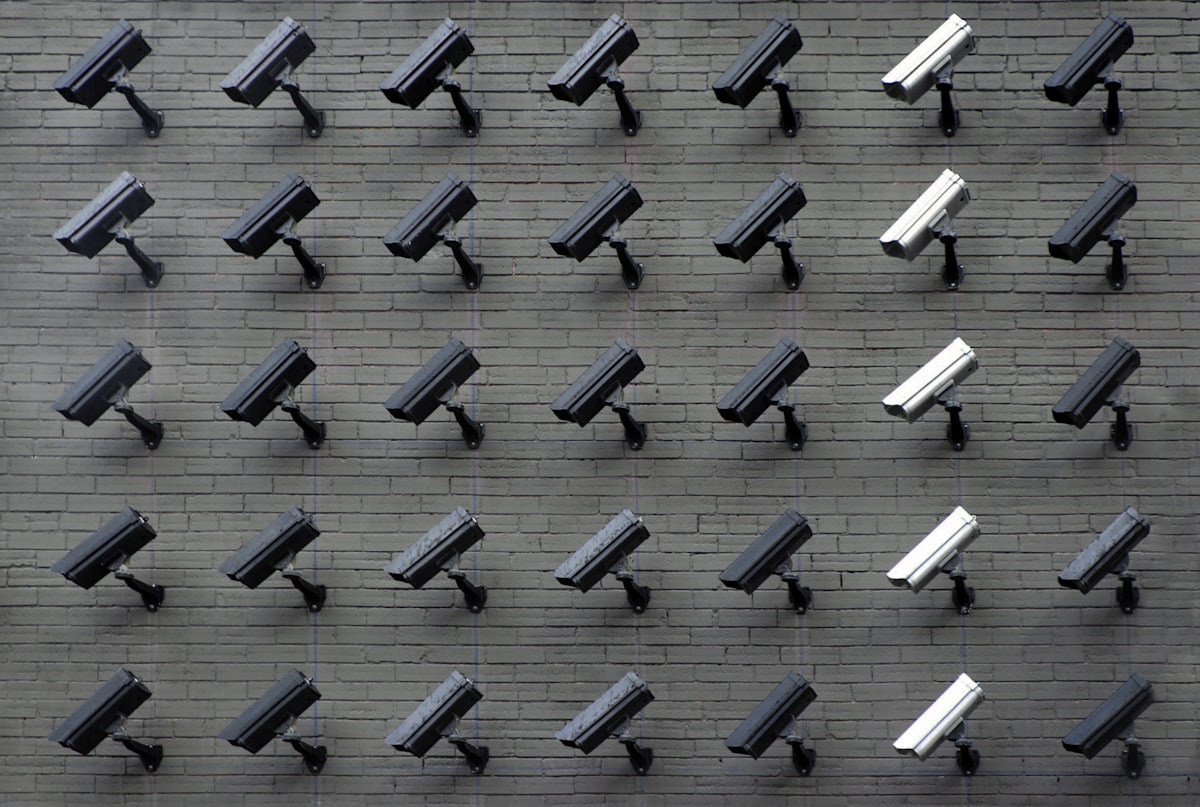
- CCTV surveillance: Position cameras at all entry and exit points, cash handling areas, and high-value storage zones. Ensure footage is stored securely for at least 30 days and is only accessible to trained staff.
- Physical security: Reinforce doors, windows, and walls. Install anti-climb fencing, bollards, and lighting to deter intruders. Safes and locked cabinets should be bolted down.
- Trained security personnel: Employ licensed door supervisors or security guards who are SIA-approved. They should be trained in conflict de-escalation, first aid, and emergency evacuation procedures.
- Emergency procedures: Display clear fire escape routes, conduct regular drills, and maintain fire extinguishers, alarms, and sprinkler systems. Have a bomb threat protocol and a designated assembly point.
- Cybersecurity: Protect your digital infrastructure with firewalls, encryption, and regular software updates. Train staff on phishing and password hygiene, especially if you handle customer payment data.
Risk Assessment and Staff Training
Before implementing any measures, conduct a thorough risk assessment. Identify potential hazards, from slips and trips to armed robbery, and evaluate the likelihood and impact of each. Document your findings and review them annually or after any incident. Staff training is equally important. Every employee should know how to report suspicious behaviour, where the first aid kits are kept, and how to respond to a fire or lockdown. Regular refresher courses keep security top of mind.
Working with Local Authorities and Licensing
In the UK, many venues operate under specific licensing conditions. For example, casinos and betting shops must adhere to Gambling Commission rules, while bars and clubs need a premises licence from the local council. These often include requirements for door staff, CCTV, and incident logs. Build a good relationship with your local police and licensing officers. They can offer advice, share intelligence about local crime trends, and help you stay compliant. Failure to meet conditions can lead to fines, closure, or loss of licence.
Creating a Culture of Security
Security is not just the job of the security team. Every member of staff should feel responsible for keeping the site safe. Encourage them to challenge unfamiliar faces, report broken locks or lights, and suggest improvements. Reward vigilance. When employees see that management takes security seriously, they are more likely to follow procedures and speak up about concerns. Customers also notice a well-run site, which builds trust and encourages repeat visits.
Balancing Security with Customer Experience
Heavy-handed security can alienate customers. The goal is to be effective without being intrusive. Use discreet cameras, train staff to be polite but firm, and avoid unnecessary delays at entry. Clear signage about bag checks or ID requirements helps manage expectations. In hospitality and gaming venues, a welcoming atmosphere combined with robust behind-the-scenes measures is the ideal balance. Remember that safety and enjoyment are not mutually exclusive.
Final Thoughts
Investing in on-site safety and security is an ongoing process. Technology evolves, threats change, and your site may expand or alter its use. Schedule regular audits, update your risk assessments, and keep training fresh. By taking a proactive approach, you protect your people, your assets, and your business. Whether you operate a small shop or a large entertainment complex, the principles remain the same: plan, implement, train, and review.